BALTIMORE, Md. — Baltimore ranked 92nd out of 100 major U.S. cities for drivers in a 2026 study by WalletHub, with road safety, traffic congestion, and commuting conditions contributing to its low overall position.
The personal finance website evaluated the 100 most populous U.S. cities using 30 metrics related to driving. The analysis examined factors such as gas prices, time lost in traffic, road quality, vehicle ownership costs, and accident risks.
According to the study, Baltimore ranked 97th in driving safety and 89th in traffic and infrastructure. The city performed closer to the middle of the rankings in other categories, placing 50th for the overall cost of vehicle ownership and maintenance and 55th for access to vehicles and maintenance services.
Baltimore Scores Poorly in Driving Safety
Safety was one of Baltimore’s weakest categories in the study. Its 97th-place ranking put the city near the bottom of the list for driving safety among the 100 cities examined.
Traffic and infrastructure also affected Baltimore’s overall standing. Congestion can increase commute times, add to fuel expenses, and make daily travel more difficult for people who depend on their vehicles.
The study compared cities across multiple measures rather than focusing on a single factor, such as gas prices or road conditions. As a result, a city’s overall ranking reflected a combination of safety, traffic, infrastructure, and vehicle-related expenses.
WalletHub analyst Chip Lupo said driver satisfaction depends on more than the price of fuel or the cost of owning a vehicle. According to the report, cities that perform well tend to limit commute delays, maintain road infrastructure, and keep accident rates below average.
Baltimore Among Several Cities With Low Rankings
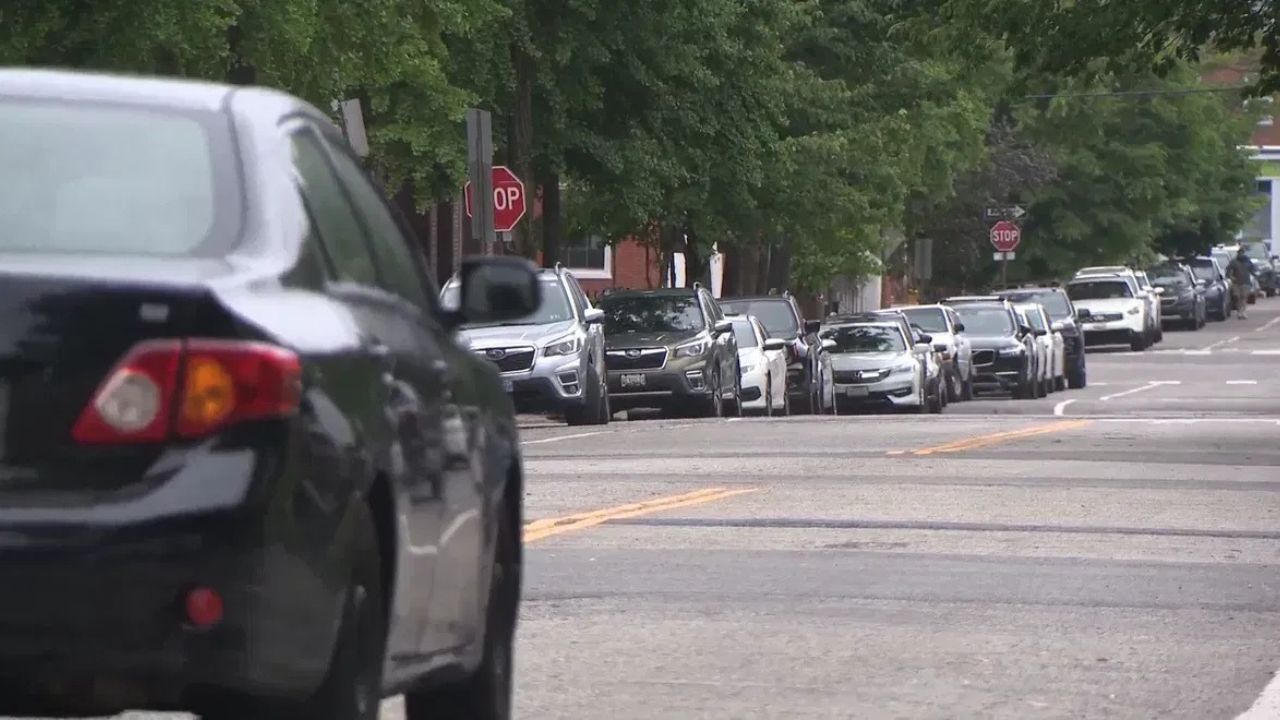
Baltimore was not the only major East Coast city near the bottom of the 2026 list.
Washington, D.C., ranked 99th overall, while Philadelphia placed 100th. New York City ranked 97th, putting all three cities among the lowest-ranked locations in the study.
The results highlight the different challenges drivers can face in large metropolitan areas, including traffic congestion, road maintenance, and the expenses associated with owning and maintaining a vehicle.
WalletHub also estimated that traffic congestion costs American commuters an average of $894 annually in lost time. The figure underscores the financial impact of delays for people who regularly travel to work or other destinations.
Scottsdale Tops the 2026 Driving Rankings
Scottsdale, Arizona, ranked first overall in WalletHub’s 2026 study, performing well across several measures related to vehicle ownership and driving conditions.
The city received strong marks for vehicle purchasing costs, parking affordability, bridge quality, and rates of uninsured drivers. Boise, Idaho, and Fort Wayne, Indiana, rounded out the top three.
The wide gap between the highest- and lowest-ranked cities illustrates how driving conditions can vary across the United States. Factors such as infrastructure quality, traffic patterns, insurance risks, and vehicle expenses can influence the experience of motorists in different communities.
For Baltimore drivers, the findings offer a snapshot of how the city compares with other major U.S. destinations. However, the ranking reflects the study’s selected metrics and methodology; it does not mean every Baltimore neighborhood or road presents the same conditions.
Residents can use the findings as a starting point for understanding broader driving challenges while consulting local transportation information for specific road conditions, construction updates, and traffic advisories.
Source: WalletHub’s 2026 Best and Worst Cities to Drive In study.
