
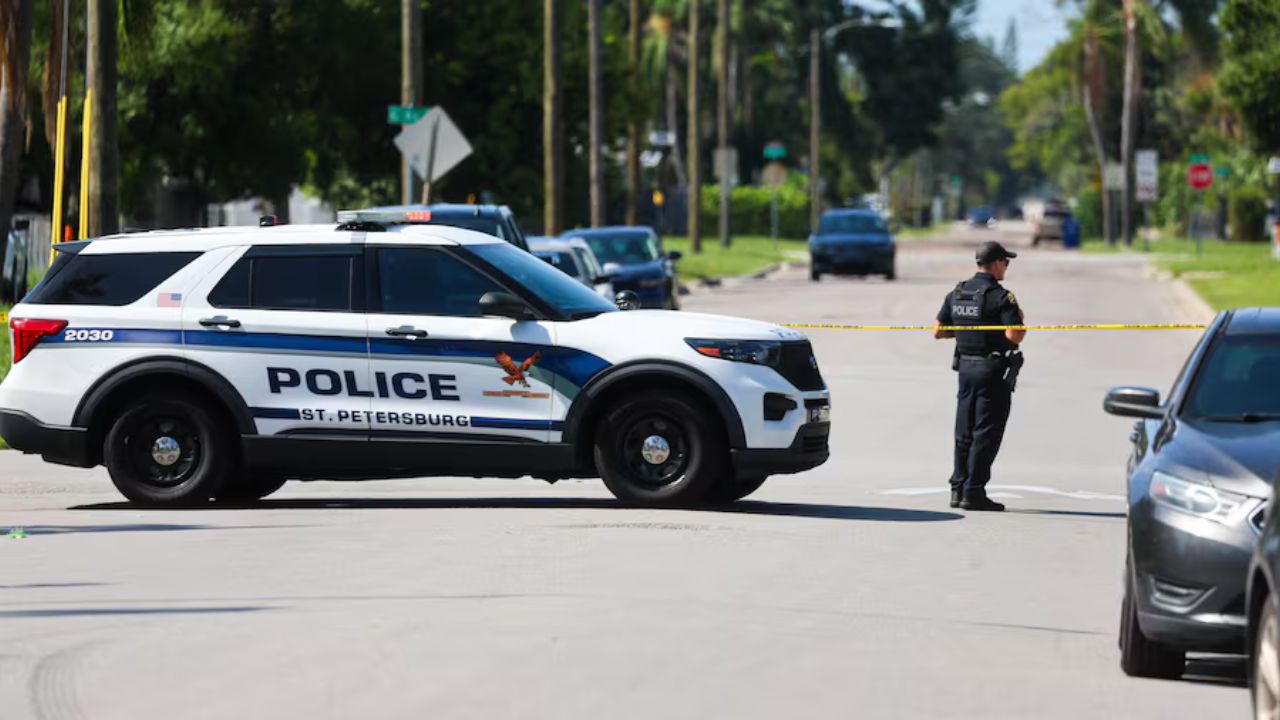
Florida ranked 47th out of 50 states in WalletHub’s 2026 safest states study, placing it among the five lowest-ranked states for overall safety. The Sunshine State received a score of 40.1 out of 100, with concerns involving climate disaster losses, job security, and health insurance coverage contributing to its low ranking.
The annual study compared states across several aspects of safety, including crime, road conditions, workplace risks, financial security, and emergency preparedness. Its findings offer a broader look at safety beyond crime rates alone.
Although Florida remains a popular place to live and visit, the ranking suggests that residents face challenges in several areas measured by the study.
Why Florida Ranked Among the Least Safe States

WalletHub evaluated all 50 states across five categories: personal and residential safety, financial safety, road safety, workplace safety, and emergency preparedness.
The analysis used 52 metrics to compare states. Each metric was scored on a 100-point scale, with higher scores representing better safety performance. WalletHub then calculated weighted averages to determine each state’s overall score and ranking.
The methodology considers a range of risks that can affect residents in everyday life. These include violent crime, traffic fatalities, workplace injuries, financial stability, and the ability to prepare for and respond to emergencies.
WalletHub analyst Chip Lupo said the safest states protect residents through a combination of low crime, safer roads, stronger economies, workplace protections, and disaster preparedness.
He also pointed to community involvement, including neighborhood watch programs and residents working in emergency response roles, as factors that can contribute to public safety.
Florida’s Safety Scores Reveal Several Weak Areas
Florida finished 47th nationally, with an overall score of 40.1 out of 100. Only Texas, Louisiana, and Mississippi ranked lower, placing Florida near the bottom of WalletHub’s 2026 list.
The state’s results varied across individual safety measures. Some of its rankings were closer to the middle of the country, while others placed it among the lower-performing states.
According to the figures provided in the study, Florida received the following rankings:
- 45th: Loss amounts from climate disasters per capita
- 45th: Share of the population without health insurance
- 42nd: Job security
- 39th: Sex offenders per capita
- 32nd: Traffic fatalities per 100 million vehicle miles traveled
- 24th: Assaults per capita
- 22nd: Murders and non-negligent manslaughters per capita
- 19th: Law-enforcement employees per capita
- 17th: Fatal occupational injuries per 100,000 full-time workers
These figures show that Florida’s overall position reflects multiple dimensions of safety rather than a single crime statistic.
The state’s 45th-place ranking for climate disaster losses is particularly relevant given its exposure to hurricanes, flooding, and other severe weather events. However, this metric measures disaster-related losses per capita and should not be interpreted as a direct ranking of how well the state responds to emergencies.
Florida’s 45th-place ranking for the uninsured population also highlights a financial and healthcare-related vulnerability considered in the broader assessment.
Vermont Named the Safest State in America
At the other end of the rankings, Vermont took the top spot with a score of 66.3 out of 100.
WalletHub highlighted the state’s neighborhood safety and comparatively low rates of several violent crimes. According to the study, nearly 76% of Vermont parents believe they live in safe neighborhoods, the third-highest share nationally.
Vermont also ranked seventh in neighborhood watch groups per capita. Such programs can help residents report suspicious activity and communicate concerns to local law enforcement.
The study placed Vermont 15th for aggravated assaults per capita, sixth for murders and non-negligent manslaughters, and 21st for thefts per capita, with lower rankings in these categories indicating fewer incidents relative to other states.
Financial stability was another factor in Vermont’s overall performance. WalletHub reported that the state had an unemployment rate of 2.7%, one of the lowest in the country.
Road safety also contributed to Vermont’s first-place finish. The study highlighted the state’s road quality, which ranked second nationally, along with its relatively low traffic fatality rate per 100 million miles traveled.
Together, these factors helped Vermont achieve an overall score substantially higher than Florida’s.
What the Rankings Mean for Florida Residents
WalletHub’s results provide one way to compare safety conditions across the country, but they do not tell the whole story of life in every state.
Safety can vary considerably between cities, counties, and neighborhoods. A statewide ranking combines different measures into a single score, meaning individual communities may perform better or worse than the state average.
Residents considering a move to Florida should look beyond the overall ranking and examine local crime statistics, road safety, insurance costs, employment opportunities, healthcare access, and disaster preparedness.
The same approach applies to people already living in the state. Understanding local conditions can provide a more useful picture of everyday risks than relying on a statewide ranking alone.
Florida’s 47th-place finish in WalletHub’s 2026 study places it near the bottom nationally, while Vermont leads the country. The comparison underscores how personal safety, financial stability, transportation, workplace conditions, and disaster preparedness can all shape a state’s overall safety assessment.
For readers, the key takeaway is that safety involves more than crime alone. Economic security, access to insurance, road conditions, and preparedness for natural disasters can also influence how safe a place is to live.
Source: WalletHub’s 2026 Safest States in America study.
