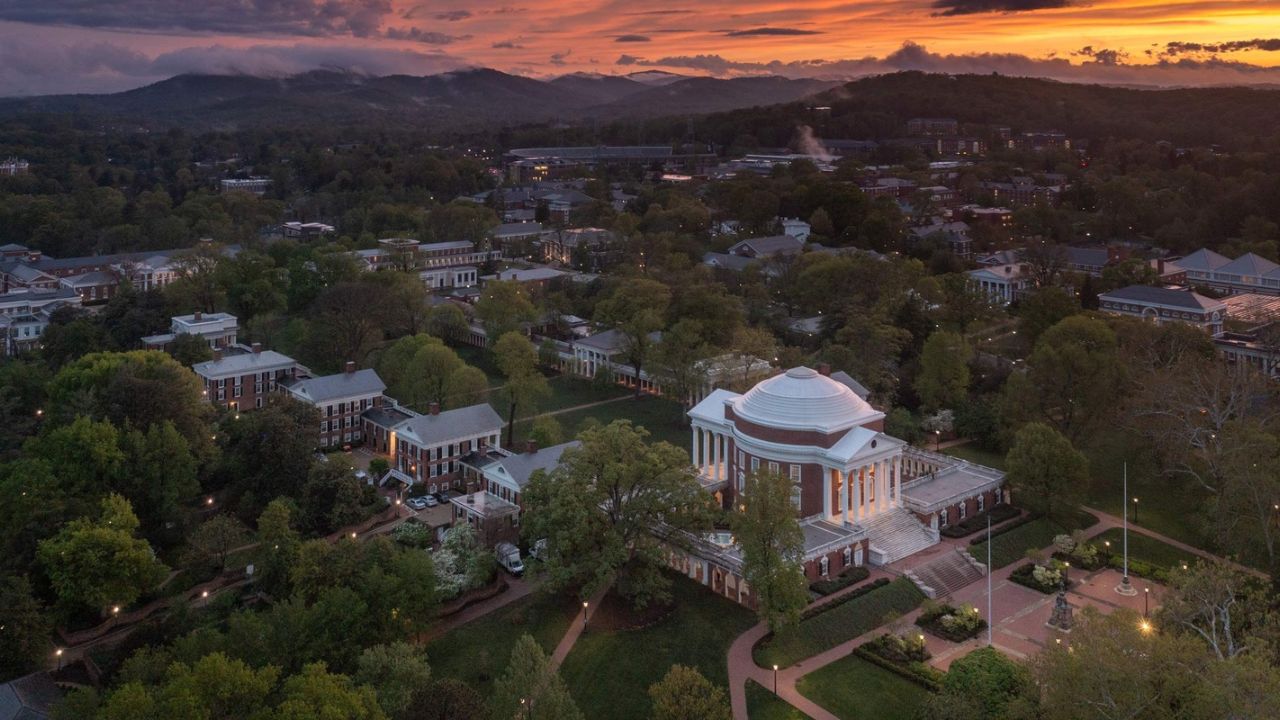
Virginia is known for its historic towns, scenic landscapes, and well-regarded colleges and universities. From the mountain surroundings of Blacksburg to the historic streets of Williamsburg, the state offers students a variety of campus environments and academic opportunities.
With more than 80 colleges and universities, Virginia has options for students interested in business, engineering, healthcare, law, science, and liberal arts. Its higher education system also receives national recognition. According to U.S. News & World Report’s higher education rankings, Virginia is among the states evaluated for the quality of its higher education system.
For students planning to attend college, choosing the right university involves more than looking at national rankings. Tuition, graduation rates, available degree programs, campus facilities, and career opportunities can all influence the decision.
Quick Guide
- State: Virginia
- Category: Education, Colleges and Universities
- Based On: University rankings, academic reputation, graduation rates, and enrollment information supplied in the original article.
- Includes: 10 universities, including the University of Virginia, Virginia Tech, William & Mary, and George Mason University.
- Best For: High school graduates, college applicants, undergraduate students, and families researching higher education options.
- Note: Rankings, enrollment figures, and graduation rates are based on the supplied source material and may change. Verify the latest information before making enrollment decisions.
- Source: U.S. News & World Report – Higher Education Rankings
Here are 10 universities in Virginia worth considering, along with information about their locations, academic offerings, and campus experiences.
10. Washington and Lee University
- US News Ranking: #12 in National Liberal Arts Colleges
- Campus Location: Lexington
- Undergraduate Enrollment: 1,916
- Graduation Rate: 91%
Founded in 1749, Washington and Lee University is one of America’s oldest liberal arts colleges. Undergraduate students can earn bachelor’s degrees through the college or the Williams School of Commerce, Economics, and Politics. Places for graduate studies at this amazing institution include the Graduate School of Law.
9. Regent University
- US News National Ranking: #382-422
- Campus Location: Virginia Beach
- Undergraduate Enrollment: 4,831
- Graduation Rate: 50%
Regent University is a mid-sized Christian university that was founded in 1978. The 70-acre campus accommodates approximately 11,000 students who pursue undergraduate and graduate programs in over 150 fields of study.
Degree programs include business, law, leadership, nursing, and healthcare education. Online students would do well at this school because Regent University’s programs rank among the top online bachelor’s degree programs.
8. Shenandoah University
- US News National Ranking: #288
- Campus Locations: Winchester, Loudoun, Fairfax
- Undergraduate Enrollment: 2,723
- Graduation Rate: 60%
Shenandoah University is one of Virginia’s best private schools, and is a liberal arts university affiliated with the United Methodist Church. The institution has eight schools and offers more than 90 programs of study. The Christian colleges that this institution governs encourage students to be liberal thinkers and build a community of trust through athletics, study abroad programs, career services, and unique student organizations.
7. Old Dominion University
- US News National Ranking: #328
- Campus Location: Norfolk
- Undergraduate Enrollment: 17,504
- Graduation Rate: 27%
Old Dominion University (ODU) was founded in 1930 and is an acclaimed research university. ODU enrolls over 24,000 students annually to pursue a wide range of flexible programs, including criminal justice, education, engineering, and nursing. In addition to educating students, ODU also contributes nearly $2.6 billion to Virginia’s economy through initiatives and community partnerships.
6. Hampton University
- US News National Ranking: #273
- Campus Location: Hampton
- Undergraduate Enrollment: 4,046
- Graduation Rate: 41%
Hampton University is a historically black university (HBCU) with a 314-acre campus along the Virginia Peninsula near the Chesapeake Bay. A large portion of the campus land is considered a National Historic Landmark District. Popular undergraduate majors are liberal arts, education, science, and business.
5. Virginia Commonwealth University
- US News National Ranking: #156
- Campus Location: Richmond
- Undergraduate Enrollment: 21,469
- Graduation Rate: 44%
Virginia Commonwealth University (VCU) is one of the nation’s top public research universities. VCU offers a wide range of undergraduate, graduate, and professional programs that will prepare you for employment opportunities, including a career in science if that’s what you’re interested in.
Outside of classes, you’ll find an active student body as well as student resources, campus concerts, student organizations, an exciting city culture, and a place to make some amazing friends.
4. George Mason University
- US News National Ranking: #121
- Campus Locations: Fairfax, Arlington, Manassas
- Undergraduate Enrollment: 28,862
- Graduation Rate: 48%
George Mason University (GMU) is the second-largest university in Virginia and is a diverse, phenomenal college with three campuses in Virginia. GMU offers over 200 degree programs across its 10 schools. Each of its college campuses provide an engaging academic experience, and offer students access to city life in nearby Washington, DC.
3. Virginia Tech
- US News National Ranking: #52
- Campus Locations: Blacksburg, Roanoke, Northern Virginia
- Undergraduate Enrollment: 31,536
- Graduation Rate: 65%
Virginia Tech, formerly known as Virginia Polytechnic Institute and State University, is a public university in Blacksburg. Students can choose from over 100 undergraduate programs and 170 master’s and doctoral degree programs. Virginia Tech is well known for research, and many students undertake tech and research programs.
2. William & Mary
- US News National Ranking: #52
- Campus Locations: Williamsburg, Gloucester Point
- Undergraduate Enrollment: 6,951
- Graduation Rate: 85%
As a public institution founded in 1693, William & Mary (W&M) is the second-oldest university in the US after Harvard University. This university is known for its cutting-edge research, STEM curriculum, and liberal arts education. You can select from over 45 undergraduate programs and excellent professors who teach classes with an average student-to-faculty ratio of 12 to one.
1. University of Virginia
- US News National Ranking: #26
- Campus Location: Charlottesville
- Undergraduate Enrollment: 17,848
- Graduation Rate: 92%
Founded in 1819 by Thomas Jefferson and Joseph C Cabell, the University of Virginia (UVA) prides itself on state-of-the-art facilities, nationally ranked academic programs, a diverse student population, and an outstanding sense of community and leadership.
Prospective students can apply to any of UVA’s 12 schools for undergraduate studies, online learning, international studies, continuing education, summer and winter sessions, and graduate studies.
How We Selected the Best Universities in Virginia
Our selection considers several factors, including national recognition, academic reputation, graduation outcomes, available degree programs, student support, research opportunities, and campus resources.
We also considered the different types of institutions available, including public research universities, private universities, and liberal arts colleges. Rankings from U.S. News & World Report are included where applicable, but they belong to different ranking categories and should not be treated as a single statewide comparison.
Choosing the Right University in Virginia
Virginia offers students a wide selection of universities, from historic liberal arts institutions to large public research campuses. The University of Virginia, Virginia Tech, and William & Mary stand out in the latest national university rankings, while institutions such as Hampton University, Washington and Lee, and George Mason offer different academic experiences.
Before choosing a university, prospective students should compare tuition, financial aid, admission requirements, graduation outcomes, and available programs. Visiting campuses and reviewing official university information can also help students decide which institution best matches their academic interests and future career plans.
Ultimately, the right university is not necessarily the one with the highest ranking. It is the one that provides the education, opportunities, and environment a student needs to succeed.
