
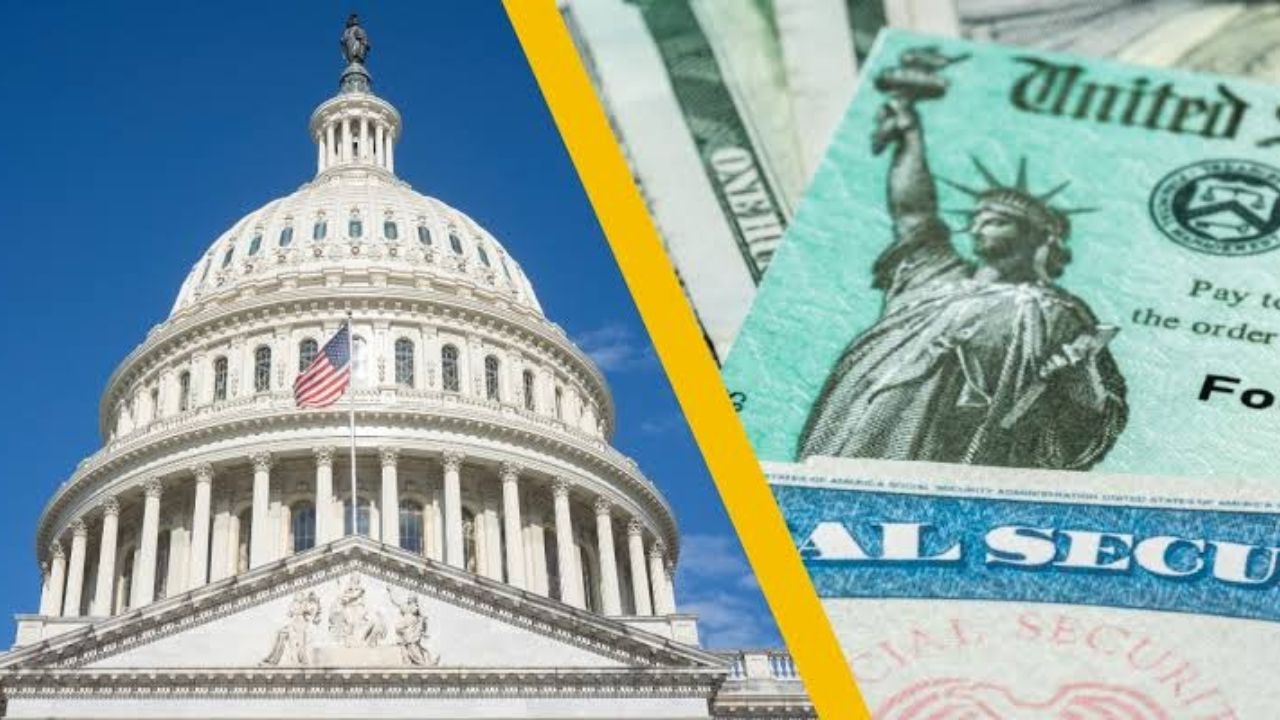
The next group of U.S. senators will face a major challenge when they take office: finding a way to keep Social Security fully funded before its trust fund runs short. With the program projected to face a funding shortfall in 2032, lawmakers from both parties will have to consider difficult decisions about payroll taxes, retirement benefits, and the program’s long-term financial future.
Democrats made significant gains in Tuesday’s elections, flipping seven Senate seats in traditionally Republican states and winning control of the chamber, according to Fortune. Republicans will also welcome new members, bringing the total number of incoming senators from both parties to 17.
These newly elected lawmakers will enter Congress at a critical time for Social Security. The program’s trust fund is projected to run out in late 2032, according to the Social Security Administration.
If Congress does not approve changes before then, incoming payroll tax revenue would cover only about 78% of scheduled benefits. That could lead to an automatic benefit reduction of approximately 22%, according to Fortune’s report on the 2032 Social Security deadline.
The timing makes the issue especially important for the incoming Senate class. Senators elected to full six-year terms will serve until January 2033, meaning the projected funding deadline falls during their time in office.
Finding a solution may also require bipartisan cooperation. Social Security changes cannot be passed through the budget reconciliation process, meaning major legislation will likely need 60 Senate votes to overcome a filibuster.
What the Incoming Senators Have Said About Social Security
Nearly all 17 incoming senators discussed Social Security during their campaigns. However, their proposals differ significantly, particularly on whether the government should increase payroll taxes on higher earners, adjust benefits, or change retirement rules.
As Fortune previously reported, Social Security reform is no longer an issue lawmakers can easily avoid. Still, protecting the program means different things to different politicians.
Here is what the incoming senators have said about addressing Social Security’s financial challenges.
Juliana Stratton, Democrat – Illinois
Juliana Stratton supports eliminating the income cap on wages subject to Social Security payroll taxes, according to The Times Weekly.
Under current rules, Social Security payroll taxes apply only to the first $184,500 in annual earnings. This limit is known as the taxable maximum.
According to the Social Security Administration’s actuarial estimates, eliminating the cap beginning in 2027 without increasing benefits for the additional taxed earnings could close an estimated 58% of the program’s projected 75-year funding shortfall.
Josh Turek, Democrat – Iowa
Josh Turek has also supported removing the Social Security payroll tax cap.
During a Senate candidate debate, Turek said he would lift the $184,500 earnings limit. He also opposed raising the age at which Americans qualify for full retirement benefits.
His position focuses on collecting additional payroll taxes from higher-income earners rather than reducing benefits through retirement-age changes.
Source: KTTC – Where U.S. Senate candidates agreed and disagreed
Adam Hamilton, Democrat – Kansas
Adam Hamilton favors increasing the income threshold for Social Security payroll taxes instead of eliminating the cap entirely.
During a debate, Hamilton argued that someone earning $1 million annually should not pay the same maximum Social Security tax as someone earning $184,500.
However, he did not take a firm position on whether the retirement age should change.
Source: KCUR – Kansas Senate candidates discuss major issues
Andy Barr, Republican – Kentucky
Andy Barr has opposed making changes that would affect people who are already retired. Instead, he has called for bipartisan reforms focused on younger generations.
Barr has not outlined specific changes to payroll taxes or Social Security benefits. He has suggested encouraging Americans to build more retirement savings through private accounts and employer-sponsored plans.
Troy Jackson, Democrat – Maine
Troy Jackson supports eliminating the Social Security payroll tax cap while increasing benefits.
In a September opinion article published by the Bangor Daily News, Jackson called for strengthening the program through higher contributions from top earners and improved benefits for recipients.
He also ruled out privatizing Social Security or raising the retirement age.
Abdul El-Sayed, Democrat – Michigan
Abdul El-Sayed supports removing the payroll tax cap and eliminating federal taxes on Social Security benefits.
During his final debate, El-Sayed said the government should collect payroll taxes on higher earnings while allowing retirees to keep more of their benefits.
However, eliminating taxes on Social Security benefits could create another financial challenge for the program.
A July analysis from the Committee for a Responsible Federal Budget estimated that eliminating taxes on benefits without replacing the lost revenue could cost Social Security approximately $1 trillion over 10 years, along with another $700 billion for Medicare.
Source: WOOD TV – Michigan Senate candidate debate
Peggy Flanagan, Democrat – Minnesota
Peggy Flanagan supports expanding Social Security through legislation backed by Sen. Bernie Sanders.
According to Bloomberg Government, Flanagan supports the Social Security Expansion Act.
The proposal would apply payroll taxes to earnings above $250,000, eventually eliminate the income cap, and increase benefits.
Flanagan’s campaign website also supports eliminating federal taxes on Social Security benefits.
Source: Peggy Flanagan’s campaign priorities
Kurt Alme, Republican – Montana
Kurt Alme has suggested using savings from efforts to reduce government waste, fraud, and abuse to help strengthen Social Security.
During an October debate, Alme pointed to his experience as Montana’s budget director but did not outline specific changes to the payroll tax cap or the benefit formula.
His proposal focuses on finding government savings rather than immediately changing the program’s tax or retirement rules.
Source: Daily Montanan – Montana Senate candidates debate
Chris Pappas, Democrat – New Hampshire
Chris Pappas opposes raising the retirement age, reducing Social Security benefits, or privatizing the program.
His campaign also highlighted his support for the Social Security Fairness Act, a 2025 law that increased benefits for certain public workers who also receive pensions from jobs not covered by Social Security.
Source: Chris Pappas campaign statement on Social Security
Roy Cooper, Democrat – North Carolina
Roy Cooper frequently discussed Social Security’s projected 2032 funding deadline during his campaign.
He opposes benefit cuts and believes wealthy Americans should contribute more to help support the program.
However, Cooper has not provided a detailed proposal explaining how much additional revenue should be collected or which tax changes should be adopted.
Source: WRAL – North Carolina Senate candidates discuss Social Security
Annie Andrews, Democrat – South Carolina
Annie Andrews supports eliminating federal taxes on Social Security benefits.
However, she has not yet presented a detailed plan explaining how the government should address the program’s projected funding shortfall.
Her position highlights the importance of reducing the tax burden on retirees, although lawmakers would still need to determine how to replace the revenue lost through such a change.
James Talarico, Democrat – Texas
James Talarico supports eliminating the Social Security payroll tax cap for people earning more than $400,000 annually.
His proposal would require higher-income Americans to contribute more toward the program while preserving its benefits for retirees.
Source: Texas Public Radio – Social Security and the Texas Senate race
Barry Moore, Republican – Alabama
Barry Moore’s campaign website supports reducing taxes on Social Security benefits.
He was also an original cosponsor of the Senior Citizens Tax Elimination Act, introduced in February 2025.
The proposed legislation would remove Social Security benefits from federal taxable income. It would also transfer money from general federal funds to replace the revenue that Social Security and Medicare trust funds would lose.
Source: Barry Moore’s campaign website | Senior Citizens Tax Elimination Act
Harriet Hageman, Republican – Wyoming
Harriet Hageman has argued that economic growth, job creation, and increasing workforce participation could help strengthen Social Security.
During an August 2026 Republican primary debate, she discussed getting more Americans into the workforce as one way to support the program financially.
Like Barry Moore, Hageman was an original cosponsor of the 2025 legislation proposing to eliminate federal income taxes on Social Security benefits.
Source: PBS – Wyoming Republican Senate primary debate
Social Security Reform Could Become a Major Challenge for the Next Senate
The incoming senators have offered different ideas for protecting Social Security, but their proposals reveal several major disagreements.
Many Democrats support increasing payroll taxes on higher-income Americans by raising or eliminating the taxable earnings cap. Some also want to increase benefits or remove federal taxes on Social Security payments.
Republican candidates have generally emphasized economic growth, government spending reductions, private retirement savings, and tax relief for seniors.
The biggest challenge will be finding a proposal that can attract enough support from both parties. With the trust fund projected to face a shortfall in late 2032, the next Senate will have limited time to agree on a long-term solution.
For millions of Americans who depend on Social Security for retirement income, the decisions made by these lawmakers could have significant consequences for their financial future.
