The Federal Trade Commission has reached a proposed settlement with Greenway Auto Group over allegations that the dealership operator advertised vehicles at prices significantly lower than what many customers ultimately paid.
Announced on October 8, 2026, the proposed agreement addresses alleged pricing practices that included additional dealership fees, mandatory packages, conditional discounts, and promotional prize offers. According to the FTC’s complaint, customers paid an average of more than $3,350 above advertised prices in more than 92% of the transactions covered by the agency’s allegations.
The proposed settlement would require Greenway to change how it advertises vehicle prices and disclose the amount customers must pay, excluding government-required charges. The agreement is intended to make vehicle pricing clearer for consumers shopping at the company’s dealerships.
The allegations have not yet resulted in a final finding of liability. The proposed order must be approved and signed by a federal judge before it becomes legally enforceable.
FTC Alleges Greenway Customers Paid Thousands Above Advertised Prices
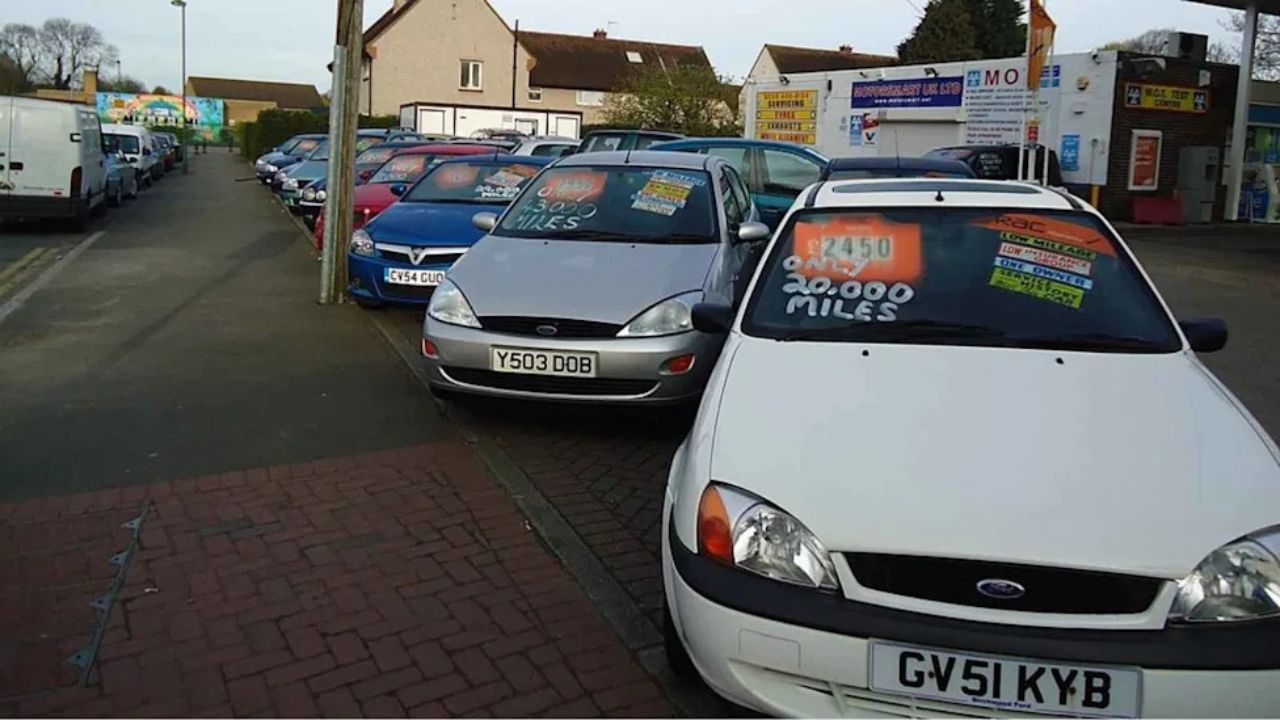
The FTC’s complaint centers on the difference between the prices displayed in Greenway’s vehicle advertisements and the amounts customers allegedly paid when completing their purchases.
According to the agency, dealership, administrative, delivery, and processing fees were among the additional charges that increased the final cost of vehicles beyond their advertised prices.
The complaint also alleges that Greenway promoted certain rebates and discounts without clearly explaining that they were available only to customers who met specific eligibility requirements.
As a result, shoppers who selected vehicles based on advertised prices could discover that they did not qualify for certain discounts or that additional charges increased the amount they needed to pay.
The FTC argues that these practices could make it difficult for consumers to compare vehicle prices accurately before visiting a dealership or beginning the purchase process.
The agency’s announcement is available on the FTC’s official website.
FTC Also Challenges Greenway’s Promotional Prize Offers
The complaint raises a separate concern involving promotional mailers distributed by Greenway.
According to the FTC, the dealership operator sent promotional materials telling recipients they had won cash prizes worth thousands of dollars and could collect them by visiting a dealership.
The agency alleges that the promised prizes were not genuine. Such promotions can draw consumers to dealerships under the impression that they have already won a substantial reward.
The FTC’s case addresses these prize promotions alongside the alleged vehicle pricing practices. Under the proposed settlement, Greenway would be restricted from using deceptive prize promotions.
The agency’s allegations concerning the mailers remain part of the complaint and should not be interpreted as a separate final judicial determination.
Earlier FTC Warning Raised Concerns About Pricing Transparency
The proposed settlement follows a March 2026 warning from the FTC’s Bureau of Consumer Protection regarding Greenway’s advertising practices.
According to the complaint, the company subsequently added claims about pricing transparency to its websites but continued advertising vehicles at prices below the amounts consumers allegedly had to pay.
The FTC’s case identifies several Greenway dealerships in Florida, including Greenway Kia at the Avenues, Greenway Kia North, Greenway Kia East, Greenway Kia West, and Greenway Hyundai Orlando.
Additional details about the allegations and legal proceedings are available through the agency’s Greenway Auto case page.
What the Proposed Settlement Would Mean for Car Buyers
If approved by the court, the proposed order would impose restrictions on how Greenway represents vehicle prices, dealership fees, optional products, services, and financing arrangements.
The company would be prohibited from misrepresenting whether additional fees or products are mandatory. Its advertised vehicle prices would also have to reflect the amount consumers are required to pay, excluding government-required charges.
The proposed restrictions would address conditional discounts and promotional offers as well, helping consumers better understand the terms attached to advertised deals.
For car shoppers, the case highlights the importance of reviewing the complete purchase price rather than relying exclusively on a vehicle’s advertised starting price. Buyers can ask dealerships for an itemized breakdown of charges, verify rebate eligibility, and confirm whether additional products or services are optional.
These steps can help shoppers understand the full cost of a vehicle before agreeing to a purchase.
However, the FTC’s allegations do not establish that every Greenway transaction involved deceptive pricing. The proposed settlement outlines restrictions intended to address the conduct described in the complaint.
Federal Court Approval Is Still Required
The FTC voted 2-0 to authorize the complaint and stipulated final order, which were filed in the U.S. District Court for the Middle District of Florida.
The agreement is a proposed settlement, not an order that is already legally enforceable. A federal judge must approve and sign the order before its requirements take effect.
The case focuses on whether Greenway’s advertised vehicle prices, additional charges, discount conditions, and prize promotions complied with federal consumer protection requirements.
The court’s decision will determine whether the proposed restrictions become enforceable under the agreement.
For consumers, the case underscores the FTC’s focus on price transparency in vehicle sales and the importance of clearly disclosing the costs associated with advertised offers.