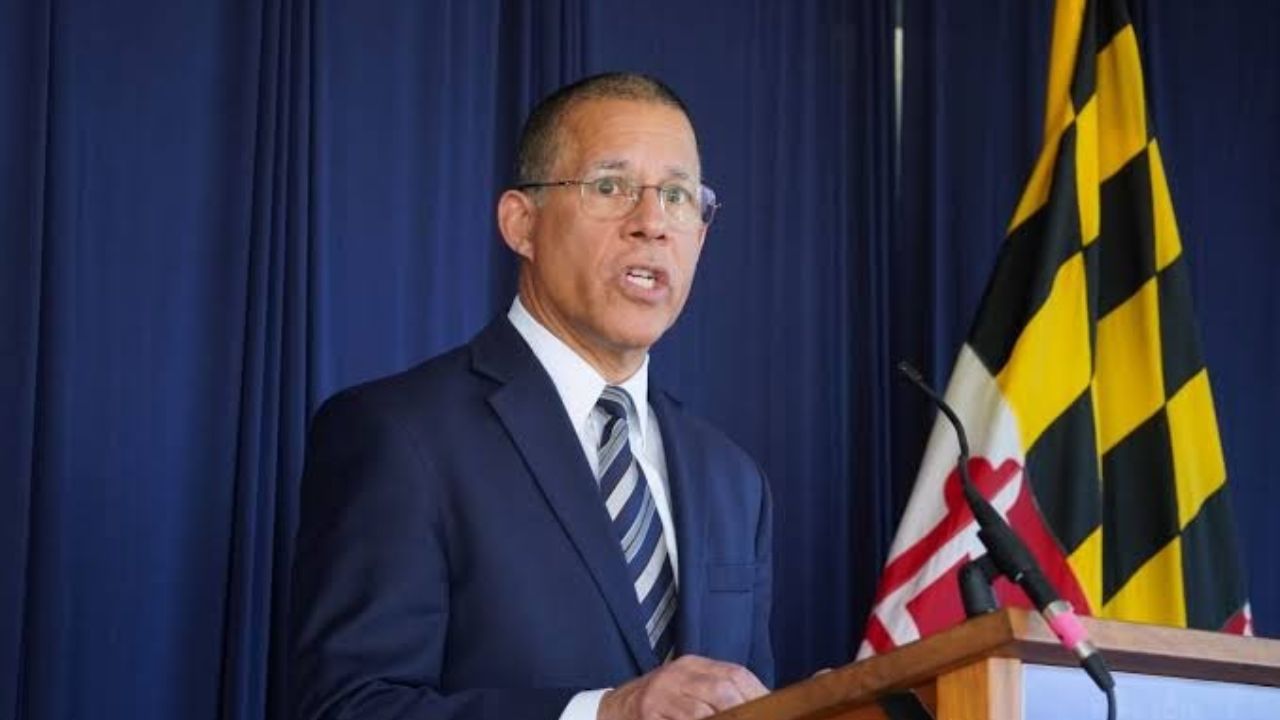
BALTIMORE, Md. — Maryland Attorney General Anthony G. Brown has joined 23 other attorneys general in urging the Federal Communications Commission (FCC) to preserve the federal E-Rate program, which helps schools and libraries pay for internet services and broadband connectivity.
In a comment letter submitted to the FCC, the coalition argued that eliminating or reducing E-Rate funding could increase costs for school districts, public libraries, and early childhood education providers. The attorneys general also questioned whether the FCC has the authority to eliminate the program or tie its funding to certain educational policies.
Established by Congress in 1996, E-Rate provides more than $3 billion annually in discounts for eligible internet and telecommunications services used by schools and libraries nationwide.
How E-Rate Funding Supports Maryland Schools
Public schools across Maryland rely on E-Rate to establish and maintain high-speed internet connections. These connections help students and teachers access digital learning materials, lesson plans, educational software, and other classroom resources.
Internet connectivity also supports essential school operations, including building security systems, heating and air conditioning controls, and food services.
According to the coalition’s letter, E-Rate provides as much as 90% of broadband connectivity funding for some school districts. If the FCC reduces or eliminates the program, affected districts could face higher expenses and potentially need to cut other services to cover the difference.
The attorneys general argue that local and state governments would likely have to shoulder more of the cost of maintaining and expanding broadband infrastructure if federal support disappears.
The coalition also contends that the FCC cannot unilaterally eliminate a program established by Congress.
Maryland Public Libraries Could Face Higher Internet Costs
The potential impact extends beyond public schools. Maryland residents also depend on public libraries for internet access, digital resources, and online services.
According to the announcement from the Maryland Attorney General’s Office, residents used public libraries more than 25 million times to access online services during the previous year.
Maryland’s public libraries receive approximately $800,000 annually through E-Rate to help pay for internet services at 193 library locations across the state.
The program also supports the Statewide Automated Library Information Organization, known as SAILOR. This statewide network connects public libraries, local governments, colleges, and the Maryland State Library for the Blind and Print Disabled.
The network serves more than half of Maryland’s population, according to the announcement.
Without E-Rate assistance, libraries and other participating institutions could face additional expenses to maintain their internet connections and shared digital services. Those costs could ultimately place greater pressure on local budgets and taxpayers.
Head Start Programs Also Rely on E-Rate
E-Rate funding also helps support Maryland’s Head Start programs, which provide early childhood education and related services to eligible children and families.
The funding helps cover internet service and firewall systems used to protect children’s personal information.
If the program is reduced or discontinued, Head Start providers could have to absorb those expenses through their existing budgets. Smaller providers, in particular, could face difficulties paying for technology upgrades and maintaining adequate cybersecurity protections.
The coalition warned that shifting these costs to local organizations could place additional strain on programs already operating with limited resources.
Coalition Questions FCC Authority Over E-Rate Changes
The dispute follows an FCC request for public comments in August on potential changes to the E-Rate program, including the possibility of eliminating it.
The attorneys general argue that because Congress established E-Rate, the FCC cannot abolish it on its own. They also raised concerns about the agency potentially conditioning school funding on educational policies or outcomes.
According to the coalition’s letter, requiring schools to meet certain educational benchmarks to receive E-Rate assistance could exceed the FCC’s legal authority.
The letter asks the agency to maintain the program and continue supporting internet access for schools and libraries.
The filing represents the coalition’s legal position. Any determination about the FCC’s authority would depend on the applicable law and the relevant administrative or judicial proceedings.
Which States Joined Maryland in the E-Rate Letter?
Attorney General Brown signed the comment letter alongside attorneys general from Arizona, California, Colorado, Connecticut, Delaware, Hawaii, Illinois, Maine, Massachusetts, Michigan, Minnesota, Nevada, New Jersey, New Mexico, New York, North Carolina, Oregon, Rhode Island, Vermont, Virginia, and Washington, as well as the District of Columbia.
The coalition’s request centers on preserving federal support for broadband connectivity at schools and libraries, while raising questions about how far the FCC can go in changing a program created by Congress.
For Maryland, the outcome could affect how schools maintain classroom connectivity, how libraries provide public internet access, and how early childhood education providers pay for internet services and cybersecurity protections.
The FCC’s consideration of potential changes places the future of E-Rate funding at the center of a broader debate over federal authority, educational technology, and the costs of maintaining reliable internet access in public institutions.
Source: thebaynet.com
