MARYLAND — About 15,000 non-citizens in Maryland could lose standard Medicaid coverage under new federal eligibility rules that took effect October 1, 2026, according to the Maryland Department of Health. The affected groups include refugees, asylees, humanitarian parolees and certain other lawfully present immigrants who previously qualified for the program.
The state’s latest estimate represents a significant decrease from an earlier projection of approximately 60,000 people. However, the Maryland Department of Health’s September 9 update does not explain what prompted the revised estimate or provide a breakdown by immigration status or county.
The changes stem from Section 71109 of federal legislation signed into law on July 4, 2025. Maryland officials outlined the updated eligibility requirements in a Department of Human Services action transmittal issued October 5, with the new restrictions applying to coverage beginning October 1.
Which Immigrants Are Affected by Maryland’s Medicaid Changes?
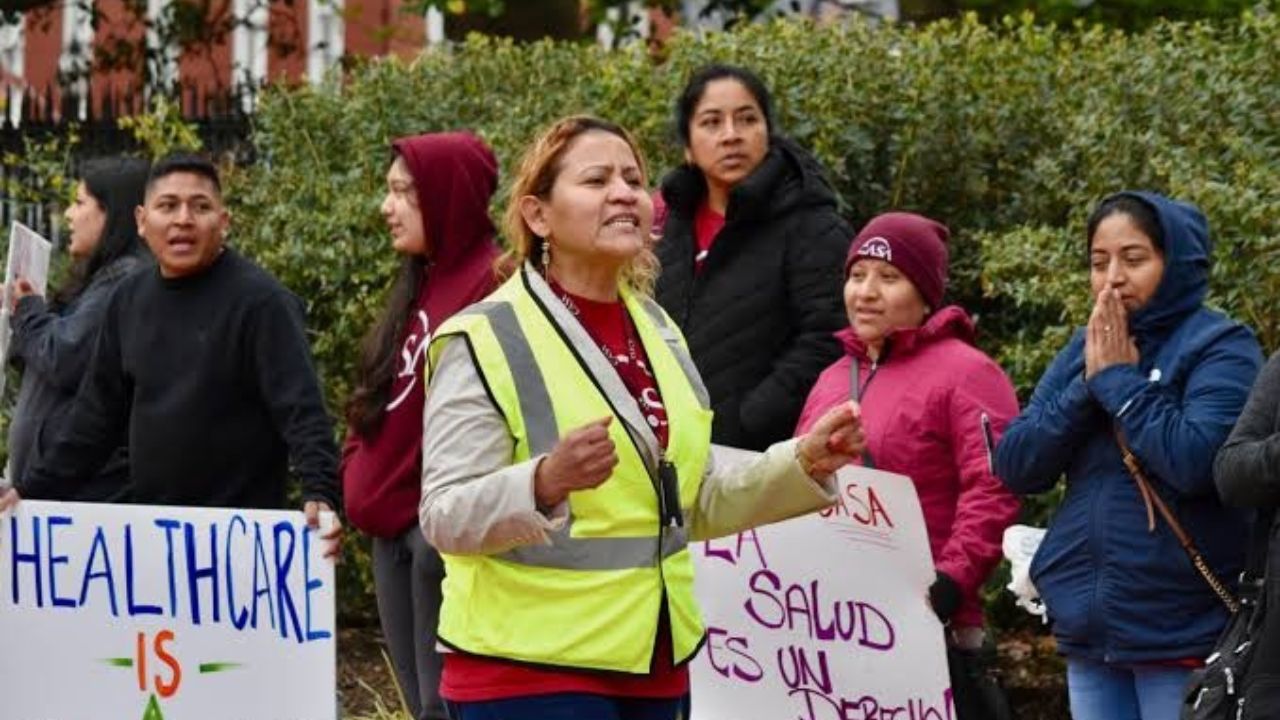
According to the Maryland Department of Human Services, several immigration categories that previously qualified for standard Medicaid are no longer eligible under the revised federal rules.
The affected groups include:
- Refugees and asylees
- Certain humanitarian parolees, including some Ukrainian and Afghan parolees
- Conditional entrants
- Certain immigrants who qualify under protections for battered immigrants under the Violence Against Women Act
- Victims of human trafficking
- Certain Amerasians and other previously eligible humanitarian immigration categories
The state’s October 5 action transmittal details the immigration categories affected by the policy and explains how Maryland must apply the revised requirements.
Under the instructions, coverage for previously eligible non-citizens who no longer meet the federal criteria ended September 30, 2026.
People applying for Medicaid or completing renewals on or after October 1 may also be denied standard coverage if they do not meet the updated eligibility requirements.
Who Can Still Qualify for Medicaid?
The revised rules preserve eligibility for certain immigrant categories, although individuals must still satisfy the applicable program requirements.
Eligible groups include U.S. citizens and nationals, along with qualifying immigrants who meet the updated federal criteria.
Lawful permanent residents, commonly known as green card holders, may qualify after completing the five-year waiting period or if they meet an applicable exemption.
Other categories that may remain eligible include Cuban and Haitian entrants and qualifying migrants from Compact of Free Association nations, including the Marshall Islands, the Federated States of Micronesia and Palau.
The Maryland Department of Human Services also identifies exemptions from the five-year waiting period for certain lawful permanent residents who previously held refugee, asylee or Cuban or Haitian entrant status. Certain veterans, active-duty service members, qualifying family members and Special Immigrant Visa holders may also qualify for exemptions.
Eligibility depends on the person’s specific immigration category and circumstances. Being lawfully present in the United States does not automatically establish eligibility for standard Medicaid under the revised rules.
Pregnant Women, Children and Emergency Medicaid
Pregnant women and children are among the groups protected from the eligibility changes described in the state’s guidance.
The Maryland Department of Health’s September update says the new restrictions do not affect pregnant women and children. The Department of Human Services memo also preserves coverage for lawfully present pregnant women and children under age 21, subject to applicable program requirements.
Emergency Medicaid is also unaffected by the change. It can provide coverage for qualifying emergency medical services to people who do not meet the eligibility requirements for full Medicaid coverage.
However, emergency coverage is limited to qualifying circumstances and does not replace comprehensive health insurance.
People who lose standard Medicaid should review their eligibility for other available programs rather than assume that all health coverage options have ended.
Why Did Maryland’s Estimate Fall From 60,000 to 15,000?
Maryland’s latest estimate suggests that substantially fewer people may lose standard Medicaid coverage than previously anticipated.
The Maryland Department of Health’s September 9 presentation puts the number at approximately 15,000, compared with an earlier published estimate of about 60,000. A May presentation to the Maryland Health Benefit Exchange board also used the 15,000 figure.
However, the available state materials do not identify the specific reasons for the lower estimate. They also do not provide a detailed breakdown showing how many people in each immigration category could be affected.
As a result, the 15,000 figure should be understood as a state estimate, not a confirmed count of people whose coverage has already ended.
The department has also developed targeted educational materials for immigrant communities. According to its presentation, focus groups found that some Medicaid members feared the program was being eliminated entirely. State messaging therefore emphasizes that the changes affect specific groups rather than every non-citizen enrolled in Medicaid.
Medicaid Changes Could Save Maryland More Than $30 Million
The eligibility changes are also expected to reduce government spending.
In a September 24 public notice, the Maryland Department of Health projected total savings of $30,619,190 in fiscal year 2027 as a result of the immigrant eligibility updates.
The projected savings include:
- $10,447,759 in state general funds
- $20,171,431 in federal funds
The notice does not specify how many people the savings estimate assumes will lose coverage.
For Maryland’s budget, the policy represents a projected reduction in spending. For affected households, losing standard Medicaid could mean having to find another way to pay for routine medical appointments, prescriptions and other health care services.
The financial impact will vary depending on each household’s circumstances, medical needs and access to alternative coverage.
What Should Maryland Residents Do if Their Medicaid Coverage Ends?
People who receive a Medicaid termination notice should review the letter carefully to understand why their coverage is ending and whether they have grounds to appeal.
The Maryland Department of Human Services says denial notices include information about appeal rights and fair hearings. The applicable instructions are outlined in the department’s guidance, but the specific filing deadline should be checked in the notice or confirmed with the agency.
Immigration status is verified through the federal Systematic Alien Verification for Entitlements (SAVE) system during applications, renewals and certain changes in circumstances.
If a person’s immigration status cannot be verified electronically, the state provides a reasonable opportunity to submit additional information before taking action. The department’s memo also describes a 90-day reasonable opportunity period for certain cases in which submitted status information remains unverified. This period should not be interpreted as a universal extension of Medicaid coverage for everyone affected by the new rules.
Some individuals who no longer qualify for standard Medicaid may be eligible for Refugee Medical Assistance if they meet the program’s immigration, income and timing requirements.
Emergency Medicaid may also remain available for qualifying emergency medical services. The state guidance says an application is required for each emergency event.
Residents can review eligibility information, available coverage options and resources for immigrant families through Maryland Health Connection.
What the Changes Mean for Immigrant Families
The new federal rules narrow the immigration categories eligible for standard Medicaid, leaving some previously covered Maryland residents facing the loss of comprehensive health benefits.
Although the state estimates that about 15,000 non-citizens could be affected, the available documents do not establish the final number of people who have lost coverage or explain why the estimate fell from 60,000.
For households receiving termination notices, the immediate priority is to identify the reason for the decision, check the appeal instructions and confirm whether another health coverage program is available.
Because eligibility can depend on immigration status, income, age and other circumstances, residents should verify their individual cases with Maryland’s Department of Human Services or Maryland Health Connection before assuming that they no longer qualify for any assistance.
Sources: Maryland Department of Health — H.R. 1 Update; Maryland Department of Human Services — Action Transmittal; Maryland Department of Health — Public Notice on H.R. 1.
